
Posts by Fr. Marek Stroba, OMI
War and Post-War History of Krakow Works painted by Hans Suess von Kulmbach, by Wojciech Walanus and Agata Wolska
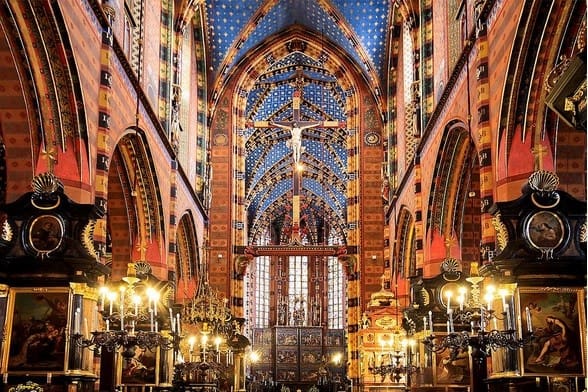
(For history professors and students, clergy, laity, and art historians.) Out of 18 paintings by Hans Suess von Kulmbach belonging to Krakow’s churches, monasteries, and private collections before 1939, as many as eight are currently considered lost. The following six works are classified as undisputed war losses: two panels of the St. Catherine of Alexandria…
Read MoreWritings (1416–1432): The Struggle for the Self-Determination of Central Europe, by Paweł Włodkovic
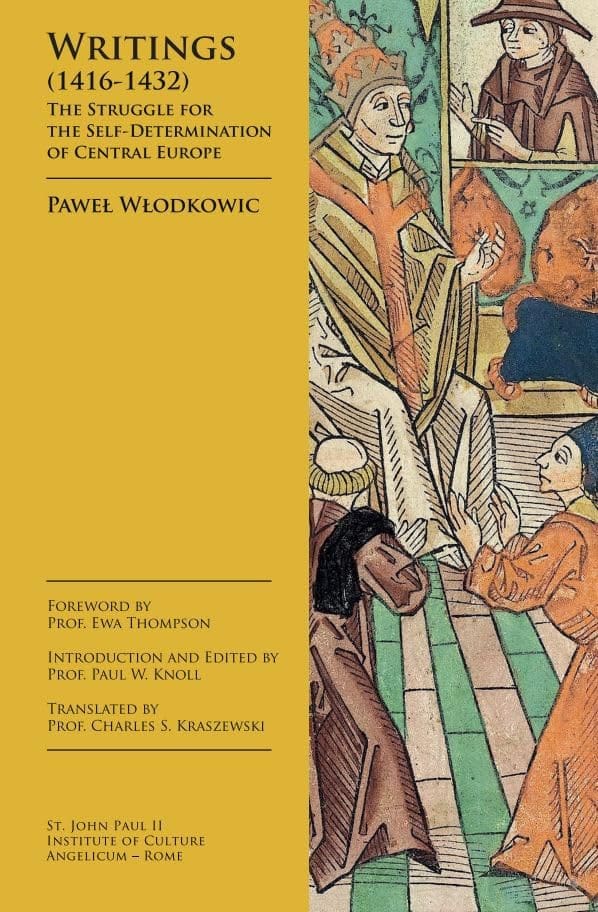
(For professors, students, and teachers interested in the history of Poland and international law.) The citation for this work is: Writings (1416-1432): The Struggle for the Self-Determination of Central Europe, by Paweł Włodkowic. Rome: Angelicum University Press Fundacja Świętego Mikołaja, 2023. The Foreword of Writings is by Prof. Ewa Thompson, which provides a thorough summary…
Read MoreThe Veit Stoss Altar – A Difficult Return and the Forgotten Soldier
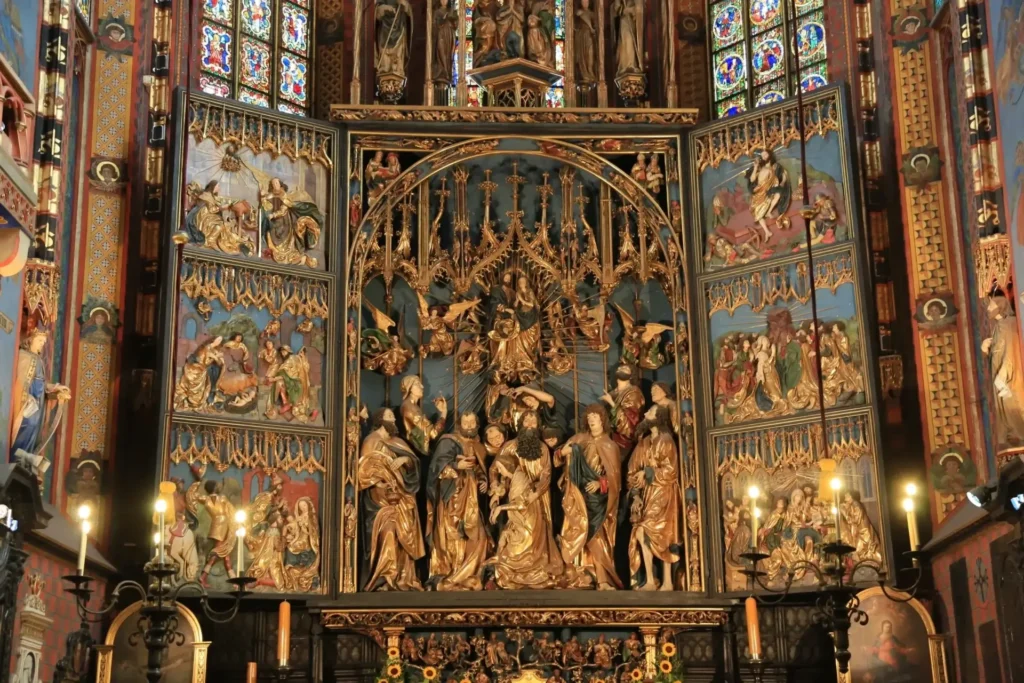
(For professors, teachers, art historians, and students) In September 1939, at the beginning of the German invasion of Poland, German Kommando Paulsen arrived in Kraków and stole the Veit Stoss altar from St. Mary’s Basilica, transporting it to Berlin and then to Nuremberg. This priceless piece of sacred art remained in Germany until the end…
Read MoreMother Matylda Getter, by Sr. Teresa Antonietta Frącek RM, translated by Sheri Torgrimson, Warsaw 2022

(For historians, professors, college students, religious academics, and interested adults.) A nun from the Franciscan Sisters of the Family of Mary (RM) Congregation, Mother Matylda Getter was the founder of twenty-five educational and care institutes, honored in the fields of education and charity, decorated with the Order of Polonia Restituta (1925), the Gold Cross of…
Read MoreGraduate Student Presents Unique Expressions in Highlighting the Work of John Paul II

(For professors, students, teachers, persons having basic knowledge of psychology and history of philosophy.) The Saint John Paul II Institute at the University of St. Thomas offers a Master of Arts degree in John Paul II Studies that encompasses a series of Anthropological Course Requirements, Social Teaching Course Requirements, Mission Course Requirements, and Synthesis Course…
Read MoreNew Academic Semi-annual Journal Wojtyła Studies

(For professors, students, teachers, persons having basic knowledge of psychology and history of philosophy.) Karol Wojtyla, a native of Poland, lived most of his life in ominous, collectivistic, and dictatorial societies, first under Nazism and later under Communism. His lived experience under these two systems guided him to a deeper reflection on the relationship of…
Read More